

Reshaping your Substack and adding a paywall sensitively
So you're evolving your Substack. Let's talk about inviting people into your creative process and managing the paywall topic sensitively

A Studio member asked recently about whether she should share her building journey with her free subscribers, or keep it private until her official launch.
She’s been working away on evolving her Substack. Structuring new offerings and retreat experiences, but posting them to her Substack web only. Her original plan was to celebrate and officially open the doors. But now she’s wondering: am I missing the opportunity for my readers to continue be involved in the building of this?
And underneath that was another layer: some of what she’s building will eventually be behind a paywall. So how do you invite people into a journey when you know you’ll eventually be asking them to pay?
And I thought: this is a real thing. Many of us are experiencing this as our offer evolves, as we add new layers to your Substack, as we build something new.
So rather than respond in the chat, I thought I’d create a post around it, just in case anyone else is navigating the same thing. Here are my thoughts.
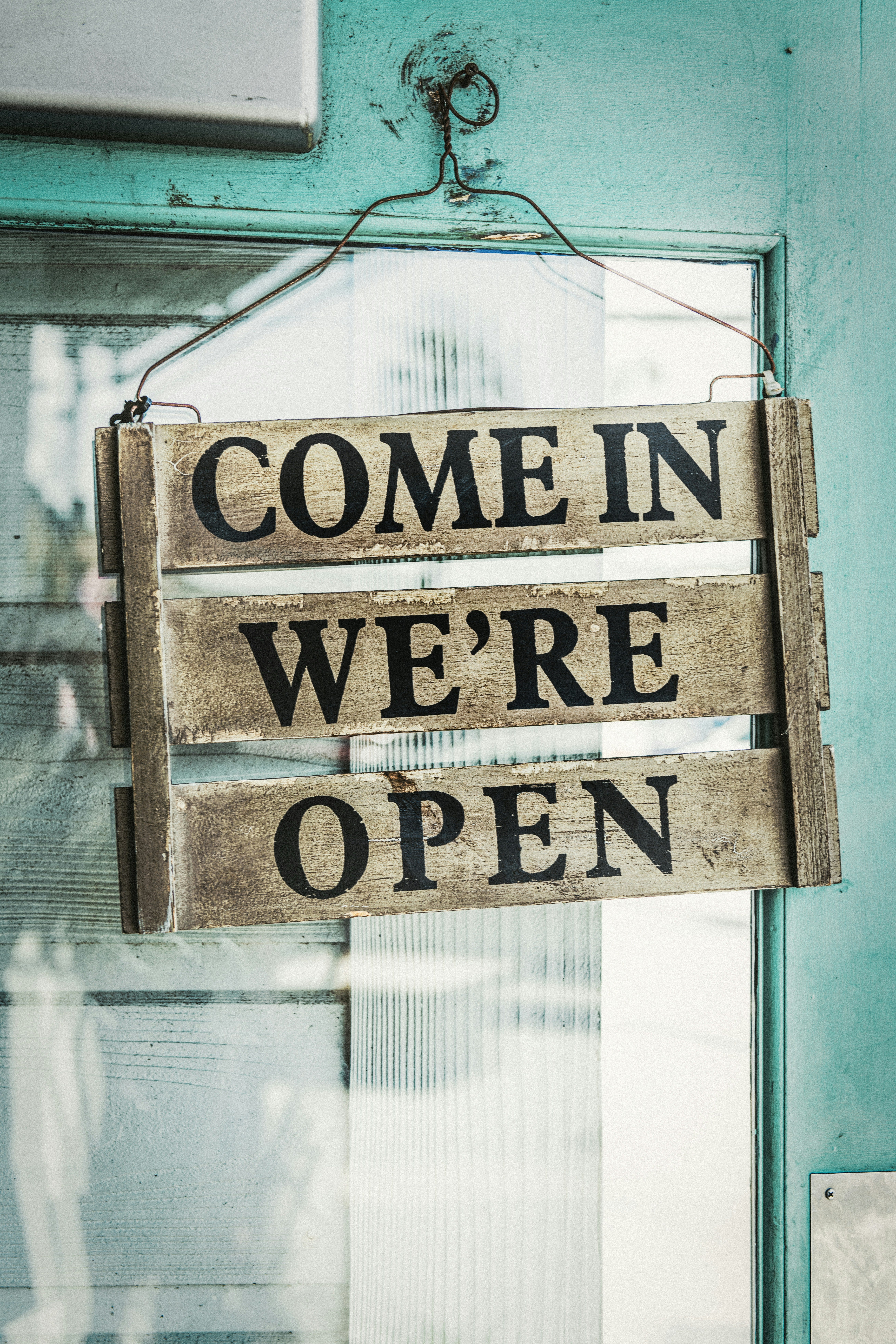
How we’ve been taught to build
The old world way of building is finished and polished.
Traditionally, you build privately. You perfect everything. You make sure all the edges are smooth. Then you throw open the doors and say: Voilà. I made a thing! Here it is.
And there’s something very satisfying about that. The grand reveal. The completed vision.
But when you do that you’re missing something: the opportunity to create movement.
When people only see the finished thing, they consume it. They appreciate it. Maybe they subscribe.
But when people are involved in the building, something shifts. They become invested. They feel like part of something. They’re excited because they’re watching it come alive in real time.
The new world way is building in public.
Building in public means: I’m creating this. Come and watch. Come and be part of it. Ask questions. Be excited with me.
It’s messy. It’s not polished. It’s real.
And that realness creates connection.
So unless you have a specific reason to build privately (see below), there is a an invitation for you to build openly. To share the journey. To invite people in.
When you build openly, something shifts. By the time you officially “launch,” they’re already deeply connected. They’re not just subscribers. They’re part of your movement.
That’s how you create real community. Not by having everything perfect. But by being real enough to build in front of people.
But there’s a caveat: the imported email list
Here’s something important that doesn’t get talked about enough. The energetics around adding your email list to your Substack.
If you’ve imported an email list into Substack, those people signed up for email. They didn’t necessarily sign up for a Substack subscription.
There’s a difference. Email feels like direct communication. Substack is more like a magazine. A different container, a different relationship.
When you add someone from your email list to Substack without their explicit choice, you’re asking them to be in a space they didn’t openly opt into.
So this is something to be aware of and manage with integrity.
How to handle it
If you’ve imported an email list and you want to invite them into your Substack journey (building in public, sharing the evolution, etc.), you need to be honest about what’s happening. Here’s how I might approach this:
Be open
Send an email (since that’s what they’ll already be used to) to your Subscribers to set the context. You can do this from your email platform or from within the Substack dashboard (guidance on how to do this can be found here)
Say something like:
“I’m evolving my work and building something new. I’d love for you to be part of this journey on Substack, which you’re now connected to. You’re invited to follow along and watch it come to life. But I also want to honour your choice — if you’d prefer to receive just my regular emails and not be part of the Substack experience, you can unsubscribe from within the app. Either way, I’m grateful you’re here.”
Give them agency
Make it clear they have a choice. They can:
Follow along on Substack and watch the building
Receive just your email list
Step away entirely
All of those are okay. The priority is an engaged list of people who want to be there.
Manage their expectations
Tell them what to expect. “I’m posting the pieces as I create them. Some might be behind a paywall eventually. Some will be free. Here’s what’s happening and why.”
You’re not sneaking them into something. You’re inviting them with full transparency.
Make them an invitation
So here’s what that looks like in practice:
Be excited. Share your genuine enthusiasm for what you’re building. Let that energy be contagious.
Be specific. Don’t just say “big changes coming.” Say: “I’m building [describe the world and experience you’re creating]. Here’s what’s happening. Here’s why. Here’s what’s next.”
Invite them to witness. “I’d love for you to be part of this journey. Watch it unfold. Ask questions. Get excited with me.”
Honour their sovereignty. “And if this isn’t the right fit for you, that’s totally okay. You can stay on my email list and skip Substack, or you can step away entirely. I respect whatever you choose.”
This transforms it from adding people to a platform to inviting people into a movement.
Now, let’s talk about the paywall consideration
Here’s where thing might gets more delicate.
Your free subscribers (whether from Substack, or your wider email list) have been used to receiving free content. They’ve grown accustomed to that. They’ve built a relationship with you around that exchange: you share generously, they show up.
Now you’re adding a paywall. Some posts will be gated. Some things they’ve been receiving might now require payment.
If you’re not sensitive to this from the start, the shift can feel jarring. Energetically, it can feel like you’ve suddenly changed the rules of the relationship.
So we need to think about introducing the paywall with sensitivity.
Here are three ways you can do this.
Option 1: The 24-48 hour free window
If you’re building in public and some of what you’re building will eventually be gated, you can think about this approach:
You publish a post. You send it to everyone — free and paid subscribers — with full access for 24 or 48 hours.
In the post, be explicit at the top (you can remove this later when you gate it):
“This is a glimpse of what I’m building. I’d love for you to explore it. This post is free to everyone for the next 48 hours, then it moves to paid-subscriber only. Come have a look!”
Get people excited. Let them taste it. Let them see what’s possible.
Then, after 24-48 hours, you manually gate it. It becomes paid-subscriber only.
This way:
Everyone gets access and value
Everyone gets to be part of the building moment
Paid subscribers get exclusivity
The energy stays abundant
The transition feels gentle, not sudden
Option 2: Email headers that manage expectations
If you’re sending gated content to free subscribers (as a preview or teaser), your email headers need to be clear about what they’re opening.
Substack gives us the ability to customise our email headers for free/paid subscribers, so this is your opportunity. Write something like:
“You’re receiving this as a free subscriber. This post contains a preview of paid content. If you feel called to explore full post / experience, I’d be delighted to welcome you into the inner circle. You can upgrade your membership here (link to your subscribe page)”
This matters because people won’t feel blindsided. They won’t click through expecting to read the whole thing and then feel frustrated or resentful when they hit a paywall. They know exactly what they’re getting into.
It’s about maintaining the energetic relationship. No surprises. No broken trust.
Email headers are covered more fully in this post within the Substack Starter Path.
Option 3: Teaser posts and free paid trials
Both of these tools are is useful for letting people sample paid content without committing:
Substack gives you the ability to allow free subscribers to redeem one paid post, meaning they can access it without paying. You’ll find this in “Enable teaser posts” in your settings.
You also have the option of turning on “Offer 7-day free trials in paywall”, but I’d only turn this on once you have enough paid content to feel like an experience.
There are times when building privately makes sense.
For instance, if you need uninterrupted focus, or if you’re creating a structured pathway — like a course or a curriculum where people move through it step by step — you might want everything complete before you launch so you can take a holistic view through the creation process, or because people need the full container to work within.
But if you’re evolving your Substack, adding new layers, building something new, share the journey. Build openly. Let people see you create.
Not because you have to. But because it creates opportunity. It creates connection. It creates movement.
Be honest about where you are. Be excited about where you’re going. Invite people in.
Manage the paywall transition with sensitivity — use the 24-48 hour window, clear email headers, the redeem feature — so people feel the abundance, not the scarcity.
And honour their choice if they want to opt out.
That’s the integrity of it.
Just press publish.
Lucy

Is this your moment? If you’re standing at this threshold. Building something new, wondering how to invite people in, navigating paywalls and evolution, you don’t have to figure this out alone.
I’m a brand and website designer, messaging specialist, and human design geek. What I do is help you unearth the deeper meaning underneath your work and create a cohesive world that people want to be part of. I encourage you to think more expansively about your Substack and the role it plays in your entire ecosystem.
In the Studio, this is exactly the kind of thinking we do together. Real projects. Real questions. Real support as your offer evolves.
Let’s build something that feels good.
WOW. What a thoughtful response to my questions. Thanks so much Lucy for giving me all this valuable information to consider. So much appreciated.
So timely for me. Thank you 😊